
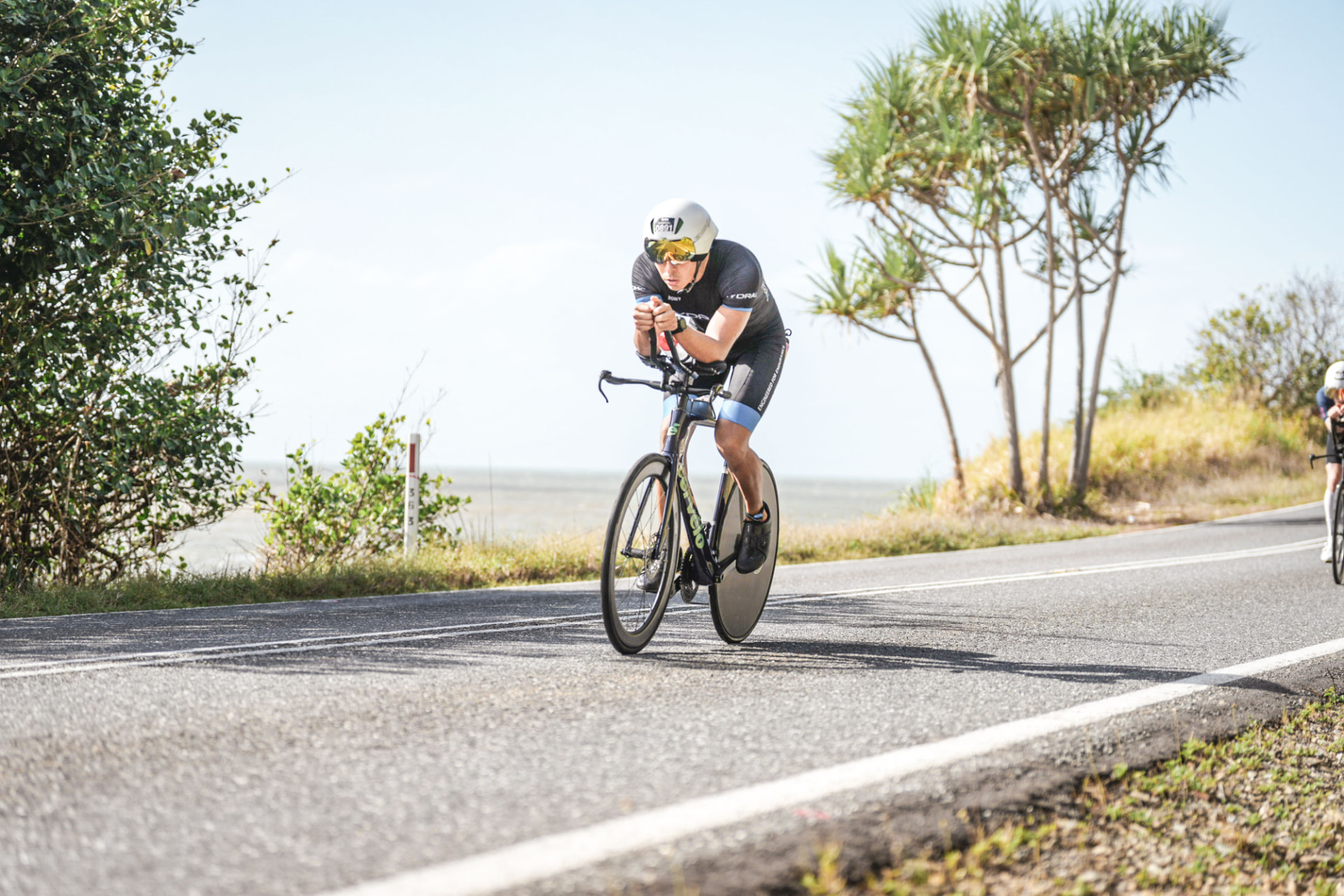
Race week is when good athletes invent new stacks. Coaches see it every season: a new gel flavour on Thursday, a denser bottle on Friday, a sodium tablet nobody rehearsed, then a gut that only meets the athlete on the run.
This is the plain checklist for SEQ club athletes and the coaches who brief them. Lock the plan early. Rehearse once more. Race what you already know works.
What race week is for (and what it is not)
Race week is for: confirming carb targets, bottle dilution, sweat-aware fluid, and the sequence from dinner to T2. It is also for sleeping, tapering intensity, and keeping the gut calm.
Race week is not for: new products, new flavours, new scoop maths, or "I saw this on Instagram" sodium stacks. If it was not in the last two long sessions or bricks, it does not debut on race morning.
Distance bands still live in the Journal: sprint and Olympic carbs per hour and 70.3 carbs per hour. This piece is the week itself.
Checklist overview (paste into squad notes)
- Taper carbs locked (not a carb-load binge you have never practised)
- Heat and sweat note written for this venue and forecast
- Race bottle dilution rehearsed at least once this week (same product, same ml)
- Brick or race-pace dress-rehearsal done in the taper window
- Race-morning meal and fluid plan written the night before
- T1 and T2 fluid roles assigned (what goes on the bike vs what you carry on the run)
- Nothing invented after Wednesday that was not already in training
Walk the squad through each line below. Make Saturday boring on purpose.
1. Taper carbs (fuel the work you still do)
Taper does not mean starve. It also does not mean three days of pasta mountains if your gut never practised that volume at rest.
Practical rules for club athletes:
- Keep daily carbs high enough for the remaining quality work and the race store you already build across the season
- Prefer familiar meals over restaurant experiments
- If you bump carbs in the final 48 hours, bump foods you already tolerate (rice, oats, white bread, known gels), not a new "superfood" plate
- Match the bump to race distance: short course needs less drama than a long bike day
Coaches: ask each athlete to write one sentence: "My carb target race day is X g/h on the bike and Y on the run." If they cannot answer, fix that before you talk about brand choice.
2. Heat and sweat note (Queensland race weeks)
SEQ venues punish athletes who train cool and race hot. Sweat rate jumps. Thirst rises. A bottle that felt fine in August can sit heavy in a humid September start.
Before race week ends, each athlete should have:
- A rough sweat rate from a session near race conditions (how to measure sweat rate; tool: Sweat Rate Estimator)
- A more dilute mix option of the same product if the forecast is hot (QLD heat fueling)
- Sodium in the fluid they will actually drink, not a separate panic stack mid-race
If last race they "drank enough" but still cramped or faded, check whether the bottle carried real sodium with the carbs, not only flavour.
3. Bottle rehearsal (write the scoop and the ml)
Most race-day gut issues are concentration mistakes, not "too many carbs" in the abstract. Lock three numbers:
- Hourly carb target (g/h)
- Bottle volume you will finish that hour (ml)
- Scoop or fraction that puts those carbs into that volume
Full mixing maths: How to mix a race bottle.
HYDRAX CORE is one dual-carb option at 85 g carbs / ~980 mg sodium per serve. That is the claims lock for every CORE mention on this site. Useful dilution bands for that serve:
| Mix volume | Feel | When athletes use it |
|---|---|---|
| ~500 to 600 ml | Stronger | Cooler days; trained gut; smaller bottles |
| ~700 to 800 ml | Middle | Common bike hours when you finish most of a bottle |
| ~900 to 1000 ml | More dilute | Heat; heavy sweater; gut wants volume |
Race-week rule: rehearse the exact race dilution at least once in the taper. Same flavour. Same scoop. Same bottle size. Do not invent a denser mix the night before because you feel nervous.
4. Brick dress-rehearsal (not a hero session)
Race week bricks are confirmation, not fitness builders. Keep them short and specific:
- Use the race bottle mix on the bike portion
- Practise the T2 fluid handoff (what you leave, what you take)
- Run the first 10 to 20 minutes on the gut you just created, not a brand-new gel stack
- Stop while the session still feels controlled
Detailed brick fueling: How to fuel a triathlon brick session.
Coaches: one clean dress-rehearsal beats two hard bricks that leave athletes flat and inventing recovery stacks.
5. Race morning (write it the night before)
Athletes should wake up and execute, not decide.
Night-before card (one page):
- Wake time and first fluid (volume + what it is)
- Breakfast foods and timing (familiar only)
- Pre-start carbs if used (gel or sip of race mix: already rehearsed)
- Toilet / caffeine plan they already know
- What goes in the transition bottles vs special needs
Do not add a new caffeine source, a new bar, or a double scoop "for luck." Gut training still matters weeks earlier: Gut training for endurance fueling.
6. T1 and T2 fluid roles
Assign roles so bottles are not improvisation:
- Bike: main carb + sodium delivery for most club races (finish the planned ml each hour)
- T1: quick confirm bottles are full and correct; no mid-transition recipe changes
- T2 / run: lighter fluid or known gel top-ups only if already in the plan; do not start a second sodium system you never trained
If the run is short-course, many athletes need less drama than they think. If the run is long, the bike should already have done most of the hourly work.
Optional planning helper once distance and sweat roughs are known: Fueling Strategy Engine.
7. What NOT to invent in race week
Ban list for squad WhatsApp and athlete brains:
- New drink mix brand or flavour
- New gel brand or caffeine level
- Unrehearsed sodium tablets on top of an already-sodium bottle
- "Double scoop because it's hot" without changing bottle volume
- Fasted race morning "to feel light"
- Restaurant carb-load the athlete has never repeated in training
- Borrowing a mate's bottle recipe at the rack
If something feels off mid-week, simplify toward water + known carbs, do not stack complexity.
Coach briefing script (two minutes)
- "Say your bike g/h and bottle ml in one sentence."
- "Confirm you have drunk that exact mix in the last seven days."
- "Heat plan uses a more dilute version of the same product, not a new stack."
- "Race morning is written tonight. No new food after Wednesday."
- "T2: only what you rehearsed."
Then point athletes at the Journal notes and tools. Product is optional. Clarity is not.
Soft next step
If you want one bottle that carries both carbs and sodium for those bike hours, HYDRAX CORE is 85 g carbs / ~980 mg sodium per serve. Adjust dilution after you know your sweat rate and gut response.
Related coach notes: race-bottle mixing, brick fueling, QLD heat, sprint/Olympic carbs, 70.3 carbs, gut training. Tools: Sweat Rate, Fueling Strategy Engine. Orders over $95 ship free within Australia.
Write the checklist. Rehearse the bottle. Race what you practised.